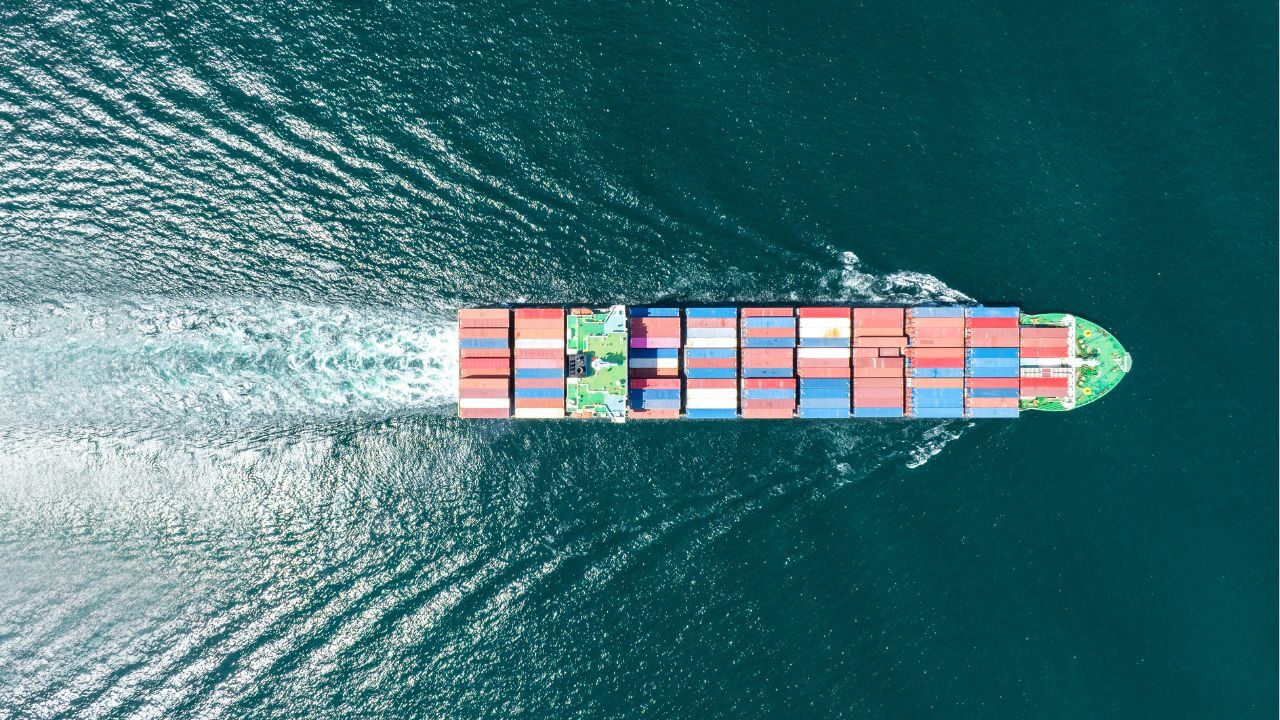
There is a specific kind of pressure that only comes to the Panama Canal. You aren’t just moving cargo; you are moving the world. Every minute a vessel sits in the locks without food or fuel, money evaporates. And every minute of delay carries financial penalties that can cripple a project.
We see this stress every day. In the past, the maritime industry operated on a reactive model. You waited for a problem to show up—late shipment, spoilage, customs rejection—and then scrambled to fix it. That era is over. Today, survival depends on a proactive framework.
We recently worked with a major client to redefine how this works at the ground level. This isn’t just a standard supply chain project. It’s a case study in precision.
The Inkoop Group Challenge
Based in Panama City, Inkoop Group stands as a primary distributor for food and consumer goods. They supply the lifeblood of large ship chandlers, cruise lines, and even the defense sectors. But simply stocking shelves isn’t enough. Their mission is operational continuity.
When we stepped in, the goal was clear: leverage Panama’s geographic position not just as a location, but as a global asset. The Panama Canal sits right between the Atlantic and Pacific. That isn’t a coincidence. That is strategy.
Building a System That Actually Works
The implementation required moving beyond basic distribution. We had to integrate specialized technology to manage what matters most when a vessel is transiting.
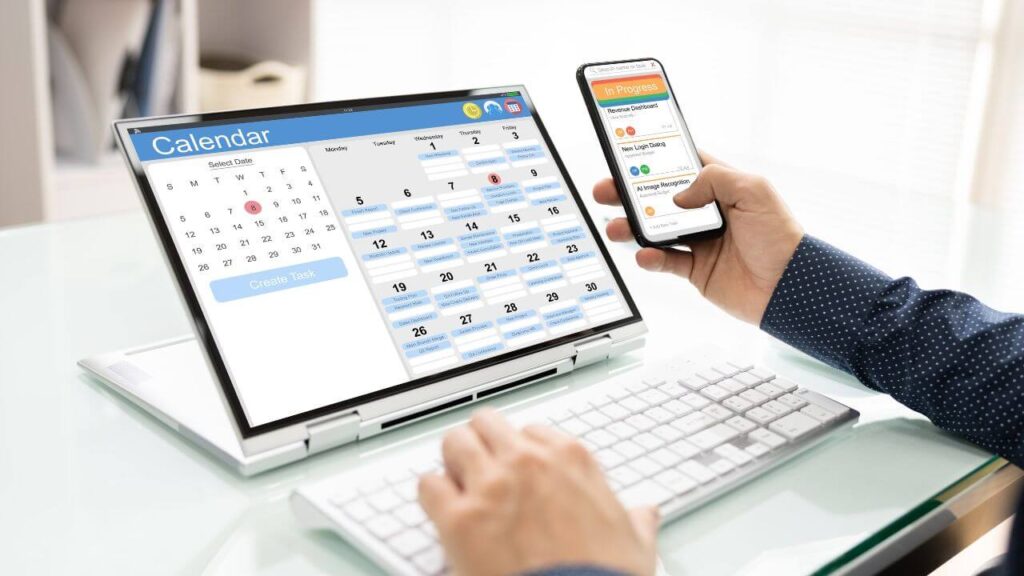
First, timing. We aren’t just guessing anymore. We utilize precision scheduling. Procurement and delivery windows align exactly with ship arrival and transit times. If a cruise liner is three days away, the cargo must be ready. There is no wiggle room.
Second, the cold chain. In the maritime world, “cold” isn’t a metaphor. We implemented tracking systems that manage temperature-controlled storage for dry goods, refrigerated items, and frozen products simultaneously. One spoiled batch of tuna can mean wasted revenue and a safety incident. Our system keeps everything stable.
Third, the infrastructure. Inkoop Group centralized fulfillment near key ports. This allows them to consolidate bulk imports—from poultry and beef to dry goods—and quickly cross-dock them. They repackage according to specific vessel standards. It’s about speed and adaptability.
Navigating the Rules Without Breaking Them
Let’s be honest: compliance can be a nightmare. International maritime and customs regulations are strict. One missing phytosanitary certificate can stop a ship.
Our solution? We integrated compliance protocols directly into the workflow. Documentation—from customs clearances for bonded goods to final port delivery papers—is handled seamlessly. This happens before the vessel even arrives. We ensure that the paperwork is as ready as the cargo. This eliminates the human error that often costs companies millions in detention fees.
Feeding the Fleet at Scale
The final pillar was scale. This system isn’t built for a single yacht. It is built for massive operations. We are talking about projects servicing over 15,000 personnel per project. That is a workforce larger than many city populations.
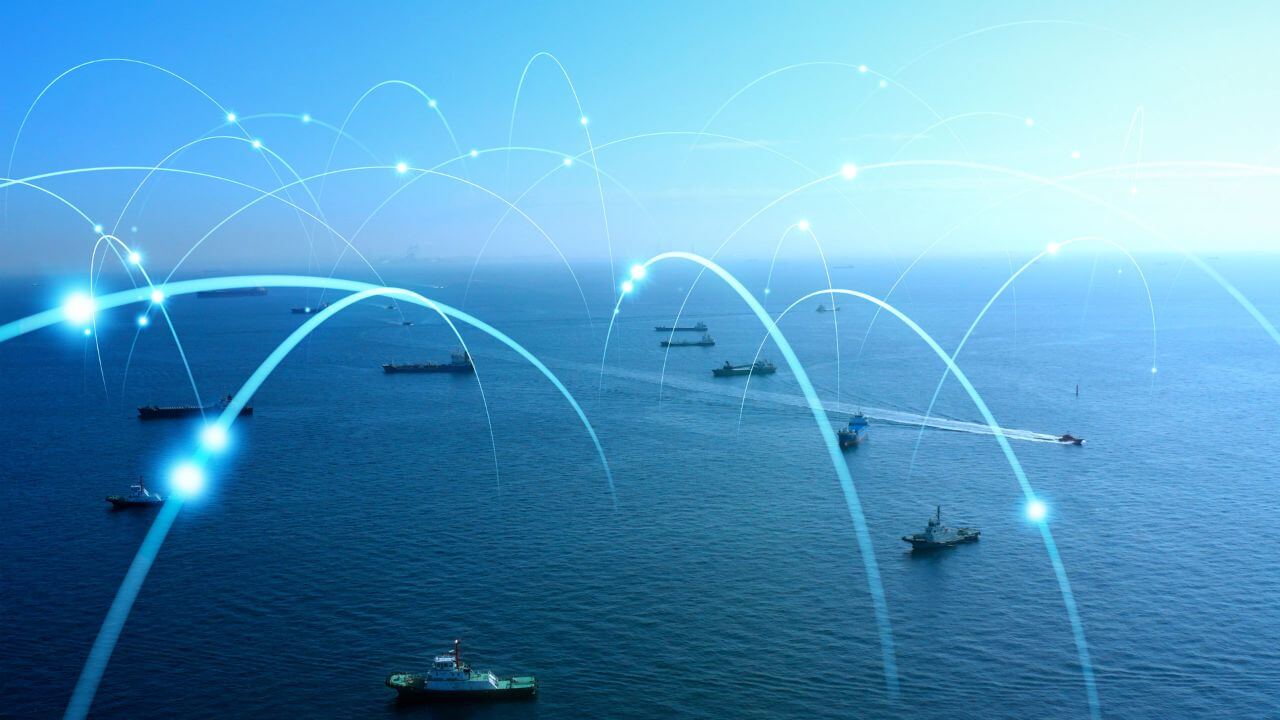
To handle this, the fulfillment pipeline had to stabilize fluctuating volume demands. We maintain strong, diversified supplier networks globally. When one route is disrupted, another opens. This shields clients from the volatility of global supply chains.
The Result: A New Standard of Care
The outcome was a significant shift in culture. Inkoop Group moved from a reactive ship chandling support model to a proactive, high-volume distribution framework.
The vessels transiting through Panama now receive exact quantities. The food is audited for quality control. The execution is on time. For the crews eating these meals, for the passengers on the cruise lines, and for the contractors servicing offshore rigs, the difference is peace of mind.
Why AA Global Marine
Projects like this don’t happen by accident. They happen when you have the right partners in the room.
AA Global Marine has spent years building this capability. We understand that logistics isn’t just about trucks and containers. It’s about reliability. When a client like Inkoop Group needs a hand in Panama, they don’t look for a local broker; they look for a solution provider with a track record.
We are based in Singapore, but our reach is global. We treat every port as a hub and every vessel as a priority. Whether it’s navigating the complexities of the canal or managing the delicate requirements of the defense sector, we provide a consistent standard.
If you are looking to optimize your maritime supply chain, you need more than software. You need a strategy. You need a partner who knows the industry inside out.
The Panama City project is just one of our successful implementations, but it speaks volumes about what we can do. We turn challenges into opportunities. We ensure that when a ship pulls away from the dock, it is fully fueled and fed. That is the promise we deliver, every time.