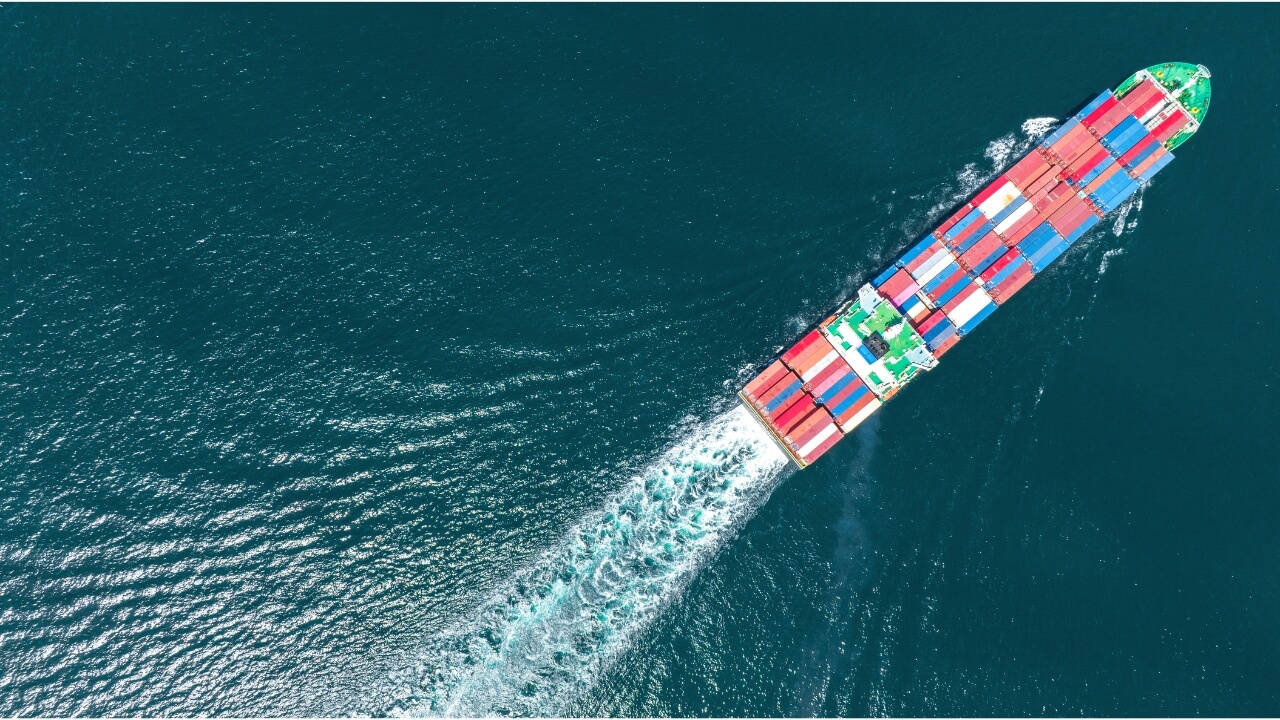
The maritime industry is currently standing at a crossroads, and the atmosphere in boardrooms from Singapore to Rotterdam is palpable. There is a palpable sense of urgency fueled by IMO regulations and a genuine desire to decarbonize the global supply chain. In this landscape, one molecule has emerged as the “golden child” of alternative fuels: ammonia.
But if we strip away the press releases and the idealistic projections, what does the transition actually look like on the deck of a ship? It isn’t just a simple swap of fuel tanks. It is a fundamental shift in engineering, safety protocols, and logistical infrastructure. To move from “hype” to “hardware,” the industry must navigate some significant hurdles.
The Logic Behind the Leap
Why ammonia? The answer lies in its chemistry. Unlike LNG, which still carries a carbon footprint, or methanol, which requires complex synthesis, ammonia is a carrier of energy that can be produced as “green” ammonia through electrolysis powered by renewable energy. It doesn’t emit CO2 when burned.
For shipowners and operators, the appeal is clear: it offers a pathway to net-zero emissions while maintaining the high energy density required for long-haul maritime routes. However, “clear” does not mean “easy.”

The Reality of Handling Ammonia
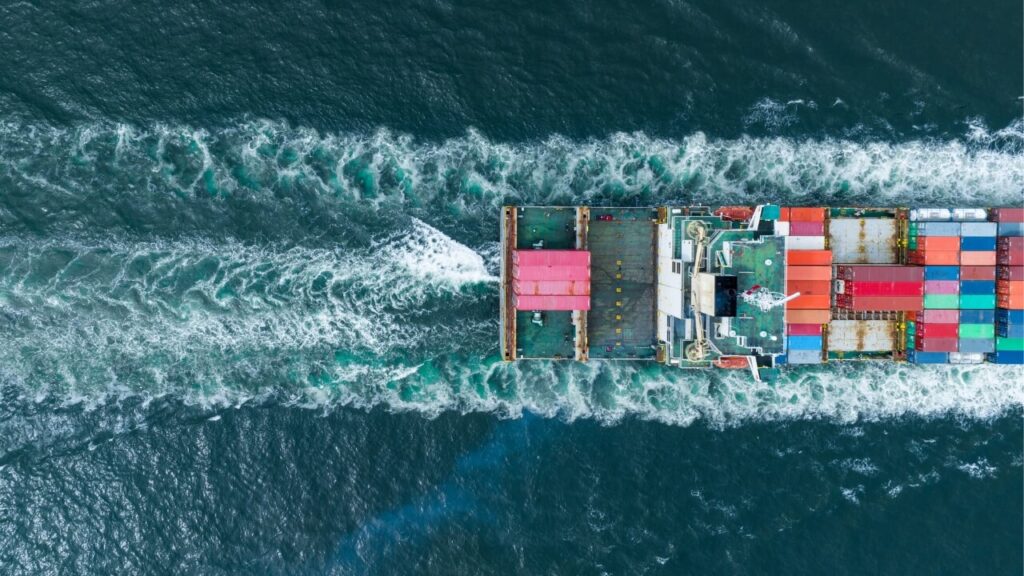
The transition isn’t just about what burns in the engine; it’s about how the crew handles the fuel before it ever reaches the combustion chamber. Ammonia is toxic and corrosive. This isn’t a minor technicality—it’s a fundamental shift in safety management.
Transitioning to green ammonia requires specialized storage tanks, advanced leak detection systems, and rigorous crew training. You cannot treat an ammonia cargo like traditional heavy fuel oil. It demands precision. We see this transition as a move toward higher sophistication in maritime operations. It requires a shift from “standard procedure” to “specialized expertise.”
Infrastructure: The Missing Link
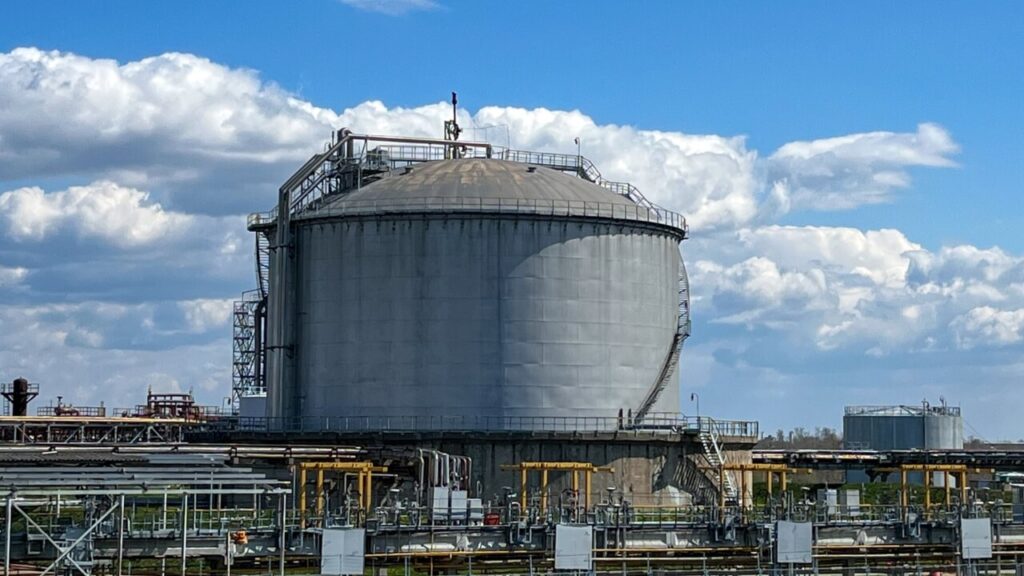
The biggest hurdle today isn’t just the engine design; it’s the supply chain. To make ammonia viable, bunkering ports must be retrofitted with specialized facilities. We cannot expect vessels to wait for supplies that aren’t there or be handled by crews who aren’t trained for the specific hazards of nitrogenous compounds.
This is where the industry needs steady hands. The transition period will see a “hybrid” era where ships might run on multiple fuels while infrastructure catches up. Navigating this gray area requires partners who understand that reliability isn’t just about having the right part; it’s about having the right roadmap.
From Concept to Quay: The Role of Expertise
Many operators feel overwhelmed by the sheer volume of information—and misinformation—surrounding green fuels. They want to be “green,” but they cannot compromise on safety or operational continuity. This is where the distinction between a “supplier” and a “partner” becomes critical.
At AA Global Marine, we understand that your primary goal isn’t just to adopt a new fuel; it’s to maintain a reliable fleet in a changing regulatory environment. We don’t just look at the technology of today; we analyze the infrastructure of tomorrow.
Whether you are navigating the complexities of ammonia storage specifications, seeking reliable procurement channels, or looking for technical guidance on integrating alternative fuels into your existing fleet, AA Global Marine provides the steady hand needed in these turbulent waters. We bridge the gap between “the hype” and “the haul,” ensuring that your transition to green energy is backed by credible marine solutions.

The Road Ahead
The shift to green ammonia isn’t happening overnight. It is a decade-long evolution of engineering, policy, and physical infrastructure. There will be setbacks. There will be moments where the technology feels like it’s moving slower than the regulations demand.
But there is also immense opportunity. The first movers who successfully integrate these systems into their operations will define the next century of maritime trade. They will be the ones with the most efficient routes, the lowest carbon footprints, and the most resilient supply chains.
The transition to green ammonia is inevitable. The question is no longer if it will happen, but how well your operation is prepared for when it does. You don’t have to navigate these complexities alone. With a dedicated partner like AA Global Marine, you can move past the noise of the hype and focus on the reality of a cleaner, more sustainable voyage.