The maritime industry is currently navigating one of its most turbulent transitions in history. On paper, the roadmap to “Net Zero” looks ambitious, almost daunting. We see constant headlines about ammonia, hydrogen, and methanol—the “miracle fuels” of tomorrow. While these technologies are essential components of the long-term puzzle, there is a growing, often overlooked noise in the conversation: the role of the present.
The reality of global trade doesn’t stop for innovation cycles. Ships need to move today. Cargo must arrive on time. Crews need safe operating environments. This is where Liquefied Natural Gas (LNG) stands as more than just an “alternative”—it is a fundamental bridge technology that provides immediate, tangible decarbonization while the infrastructure for future fuels matures.
The Bridge Between Ambition and Reality
It is easy to get swept up in the idealism of zero-carbon hydrogen cells. However, transitioning an entire global fleet requires a pragmatic infrastructure backbone. LNG isn’t just another fuel; it is a proven, scalable solution that utilizes existing supply chains.
When we talk about decarbonization, we aren’t just talking about “cleaner” engines. We are talking about the feasibility of operation. LNG offers a massive reduction in Nitrogen Oxides (NOx) and Sulfur Oxides (SOx) compared to traditional heavy fuel oils. These aren’t theoretical gains; they are immediate improvements to air quality and fleet compliance. For shipowners, this means meeting IMO regulations today without waiting for the infrastructure of 2040 to catch up.
Beyond the “Bridge” Label
Some critics argue that LNG is merely a stepping stone. This framing misses the point. LNG provides what many emerging fuels cannot yet provide at scale: energy density and reliability.
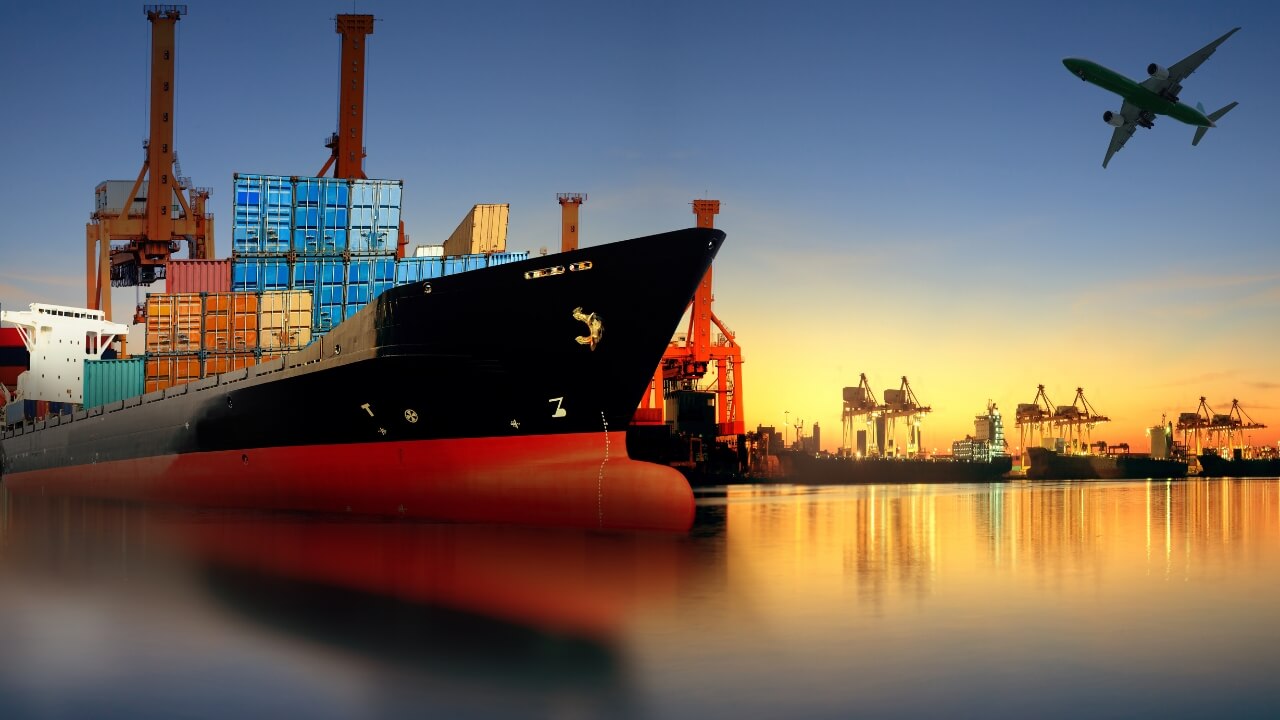
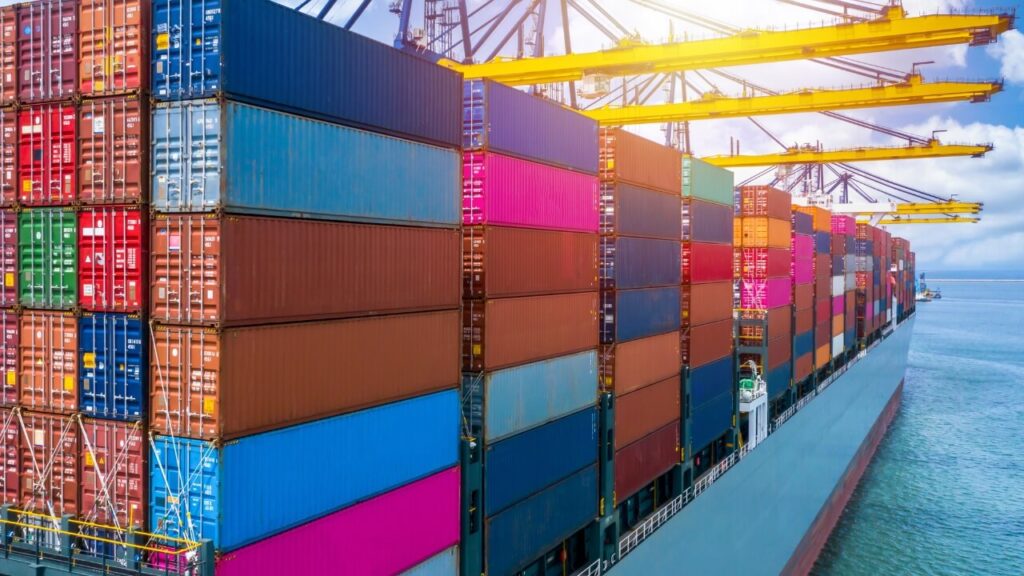
For example, consider a long-haul container vessel. The power requirements are immense. While hydrogen offers a dream of zero emissions, its storage requirements currently make it cumbersome for massive deep-sea voyages. LNG, conversely, is reliable. It is dense enough to power heavy loads over vast distances while slashing the carbon footprint compared to conventional fuels.
By choosing LNG, operators aren’t “settling” for an old technology; they are making a strategic decision to utilize a high-performing bridge that allows for a gradual, stable transition. It gives fleets the breathing room to innovate without risking operational continuity.
The Infrastructure Advantage
One of the biggest hurdles in maritime decarbonization is the “chicken and egg” problem of bunkering infrastructure. To switch to ammonia, you need massive storage facilities and specialized handling systems across every major port on the globe. These are being built—but they take years, if not decades, to perfect.
LNG infrastructure, however, is already here. It is established. It is safe. By integrating LNG into current fleet designs, owners can begin their decarbonization journey immediately. It allows for a dual-path strategy: utilize the high-performing capabilities of LNG now, while the technical hurdles of hydrogen and ammonia are smoothed out by industry pioneers.
The Role of AA Global Marine
In a landscape this complex, navigation requires a steady hand. This is where AA Global Marine enters the frame. We don’t just provide components; we provide clarity in an era of transition.
At AA Global Marine, we recognize that every shipowner faces a unique set of pressures: regulatory compliance, operational costs, and the looming necessity of decarbonization. Our approach isn’t to chase the loudest “future” trend, but to provide the most effective solution for your specific fleet needs today.
We specialize in high-performance marine solutions that prioritize reliability. By leveraging advanced LNG technologies, we help our clients achieve significant carbon reductions immediately. We ensure your transition is grounded in reality—not just theory. When you partner with us, you aren’t just buying a system; you’re gaining a credible partner committed to making your decarbonization journey seamless and commercially viable.
A Pragmatic Path Forward
The road to zero emissions won’t be a straight line. It will be a series of calculated steps, and LNG is perhaps the most critical step on that path. It offers the necessary balance between environmental responsibility and commercial viability.
We can dream of the hydrogen-powered future while we work in the LNG present. By embracing proven technologies like LNG, the maritime industry can reduce its footprint today without compromising the reliability of global trade tomorrow. At AA Global Marine, we are ready to help you navigate this path, providing the expertise and technology to ensure your fleet stays ahead of the curve—no matter how the wind blows.